
Reposition Underutilized Assets to Generate Returns
Commercial Real Estate Repositioning in El Paso for properties with declining occupancy, outdated tenant mix, or structural inefficiencies limiting revenue performance
Stealth Development Group provides commercial real estate repositioning in El Paso, Texas, for retail, restaurant, and entertainment properties that are underperforming due to poor tenant mix, deferred maintenance, outdated layouts, or misalignment with current market demand. You work with a team that evaluates whether a property should be renovated, re-tenanted, or redeveloped to increase cash flow and long-term stability. This service is for property owners and investors who recognize an asset has potential but requires strategic changes to attract higher-quality tenants, command better rents, or reduce vacancy periods.
Repositioning starts with analysis of the property's location, physical condition, zoning allowances, and competitive positioning within its submarket. Market research identifies which tenant types are in demand, what rent levels are sustainable, and whether physical improvements or operational changes will generate sufficient returns to justify the capital investment. In El Paso, where commercial corridors experience shifts in consumer behavior tied to regional employment and retail patterns, repositioning requires understanding which property types hold value and which face structural decline that cannot be reversed through cosmetic updates alone.
If you own a property that is not performing to expectations and want to explore repositioning strategies, reach out to discuss market analysis, capital planning, and tenant strategy in El Paso.
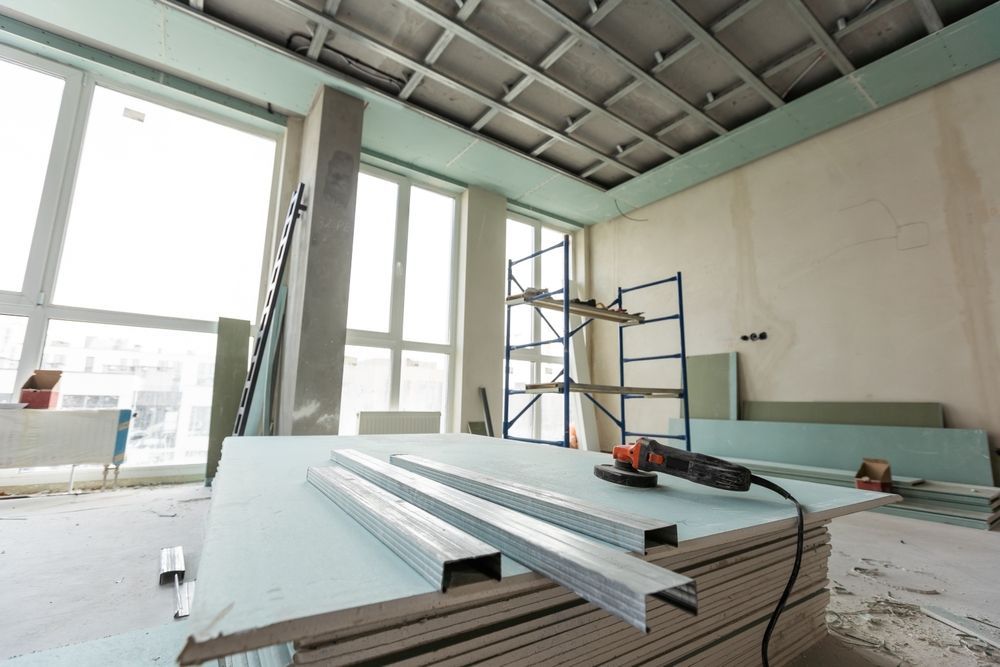
Repositioning That Aligns Property Use With Market Demand
You receive a repositioning plan that may include physical renovations such as facade updates, interior reconfigurations, parking improvements, or code compliance upgrades, as well as operational changes such as lease restructuring, tenant replacement, or conversion to a different use entirely. The goal is to increase net operating income by reducing vacancy, attracting tenants with stronger credit or higher sales volumes, or repositioning the property to serve a market segment with unmet demand. Capital budgets are structured to avoid over-improvement that exceeds what rents will support in the local market.
After repositioning is complete, you see a property with updated systems, improved curb appeal, tenant agreements that reflect current market terms, and a rent roll that supports debt service and generates positive cash flow. Stealth Development Group repositions properties to function as stable, income-producing assets rather than distressed holdings requiring constant capital infusions or management intervention.
Repositioning may involve converting underperforming retail space into restaurant or entertainment use, subdividing large vacant units into multiple smaller tenant spaces, or upgrading infrastructure to support higher-intensity uses such as food service with grease traps and ventilation systems. Projects are evaluated for feasibility based on zoning, construction costs, and tenant demand before work begins. Properties that cannot be repositioned profitably due to location, market saturation, or structural limitations are identified early to avoid wasted capital.
What Property Owners Should Understand About Repositioning
Repositioning commercial real estate in El Paso involves balancing capital investment with achievable rent increases and tenant demand, ensuring improvements generate returns rather than simply adding cost.
What determines whether a property should be repositioned or sold as-is?
You compare the projected increase in net operating income after repositioning against the cost of improvements, financing, and holding costs during renovation, ensuring the return on investment exceeds what you would receive from selling the property in its current condition.
How does tenant demand affect repositioning strategy?
Properties located in areas with strong foot traffic and limited vacancy can support higher-quality tenants and justify capital improvements, while properties in declining corridors may not generate sufficient rent increases to recover renovation costs.
When should you change the property's use entirely?
You consider conversion to a different use when current zoning allows it, market analysis shows demand for the new use, and construction costs to adapt the building are lower than the income increase the new tenant type will generate.
Why does El Paso market positioning matter for repositioning success?
Regional factors such as proximity to major employers, access to cross-border traffic, and competition from newer retail centers determine whether a repositioned property can attract tenants willing to pay rents that support the investment.
What happens if the repositioning does not increase occupancy as projected?
You manage risk by phasing improvements, securing tenant commitments before starting major work, and maintaining financial reserves to cover extended lease-up periods if market absorption is slower than expected.
If your property is underperforming and you want to evaluate whether repositioning will improve returns, contact Stealth Development Group to discuss market feasibility, capital requirements, and tenant placement strategies in El Paso.